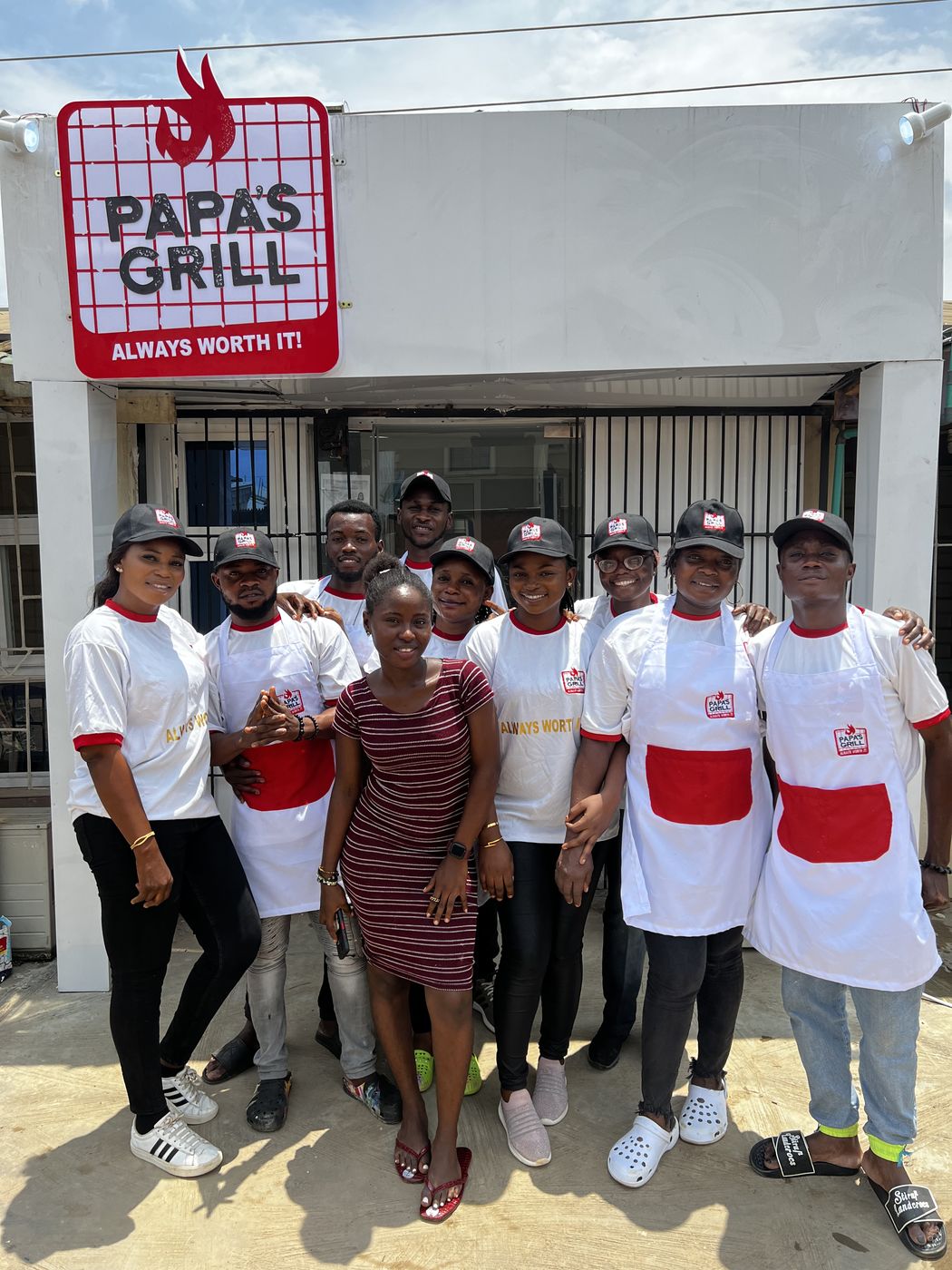
It began in 2016, with Papa's Grill.
I had just graduated from Royal Holloway, young, restless, and eager to make something of myself. Like most young people at that stage of life, I had more ambition than certainty. I didn't have a perfect plan. I didn't have all the answers. But I had a strong feeling that I wanted to build something real.
Papa's Grill was my first serious step into that world.
At the time, I didn't fully understand how much the business would teach me. I thought I was building a restaurant. In truth, I was learning how to build a company. I was learning about people, pressure, consistency, timing, discipline, and the small details that decide whether a customer comes back or never returns.
In those early days, every sale mattered. Every mistake taught me something. Every busy evening felt like proof that we were onto something.
Slowly, Papa's Grill began to grow.
People started to notice. Friends, family, and people around me could see that it was no longer just an idea. It had movement. It had customers. It had a pulse. And when people begin to believe in what you're building, it gives you a different kind of confidence.
I wanted to see how far that confidence could go.
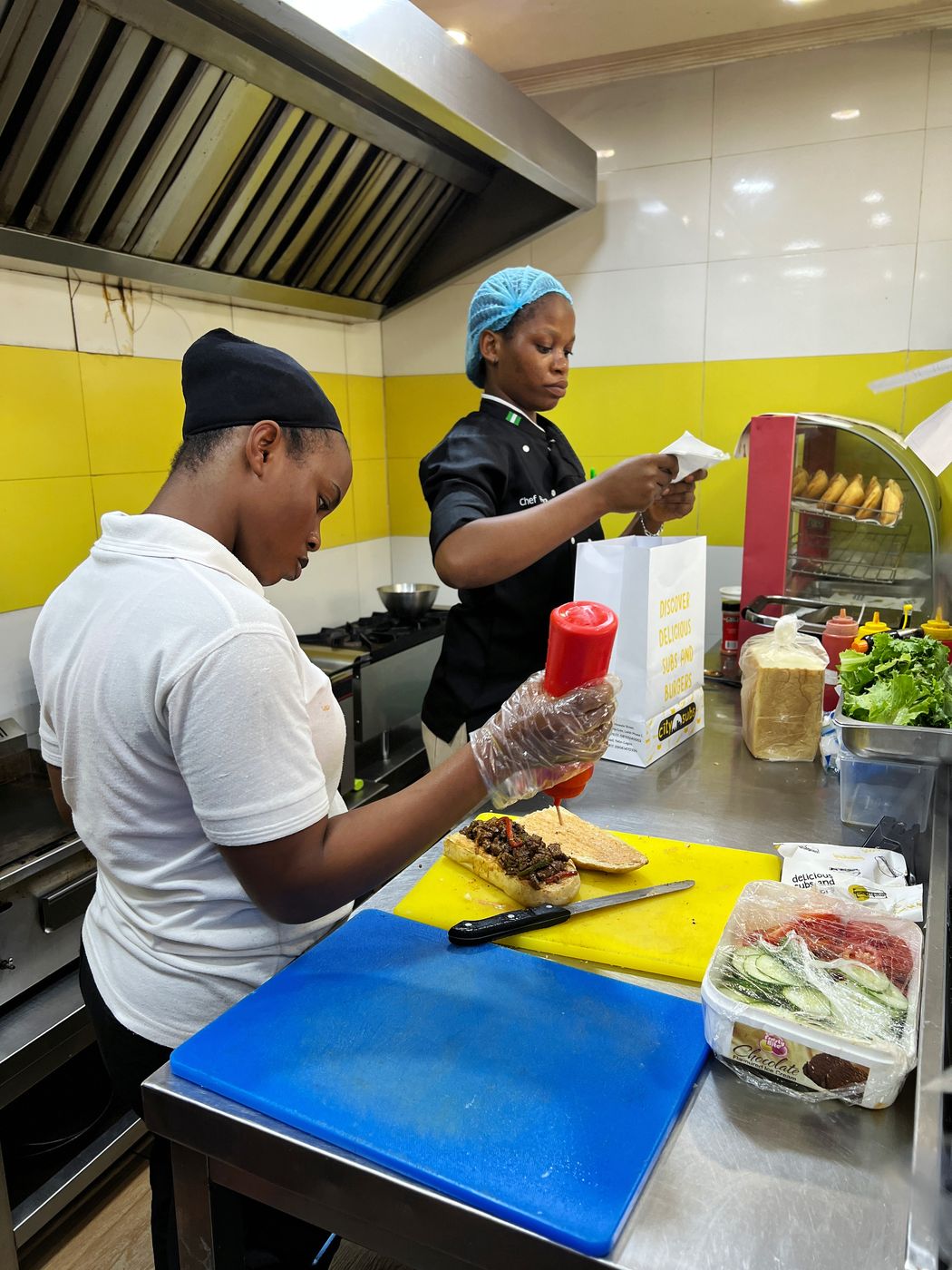
That was how City Subs came about.
City Subs was more than a second food brand. It was a statement to myself that Papa's Grill was not luck. I wanted to prove that I could take what I had learnt and build again. Different product, different positioning, same hunger.
By then, a few of my friends had started to take real interest in the journey. They had watched Papa's Grill grow, and they were impressed by the ambition behind City Subs. Some of them decided to invest.
That moment has always stayed with me.
When friends invest in you, they're not only putting money into a business. They're putting trust in your character.
At that age, that kind of belief meant a great deal.
But business has a way of testing belief.
The food industry, especially, is not gentle. It looks simple from the outside, but behind the counter there is constant pressure. Stock has to arrive. Staff have to show up. Customers expect consistency. Deliveries must go out. Costs keep changing. One small mistake can affect the whole day.
And that was where the real lessons came from.
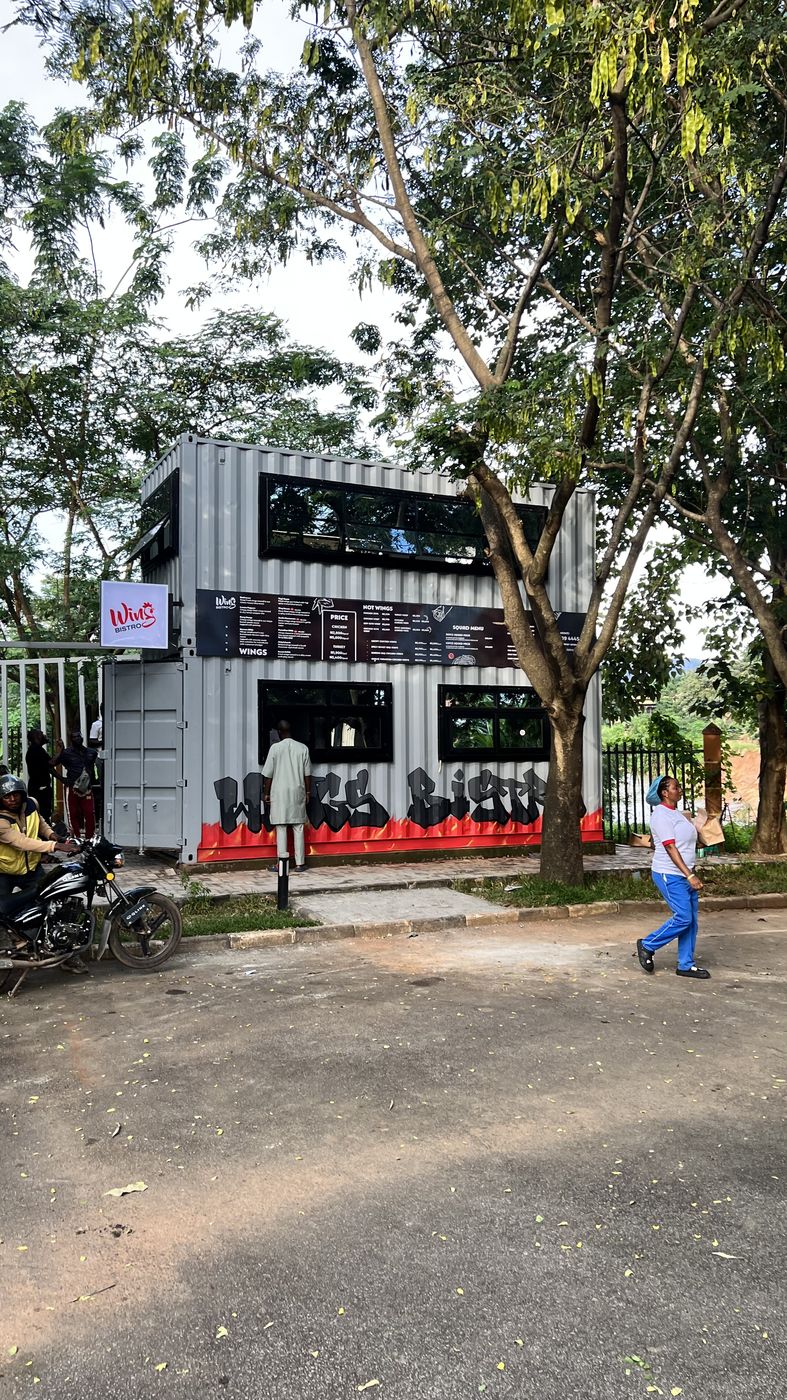
After City Subs, the ambition continued to grow. I went on to open Wings Bistro, Spicy Corner, and more recently, Ajebo Chops. Each brand had its own personality, its own customer, and its own lesson to teach me.
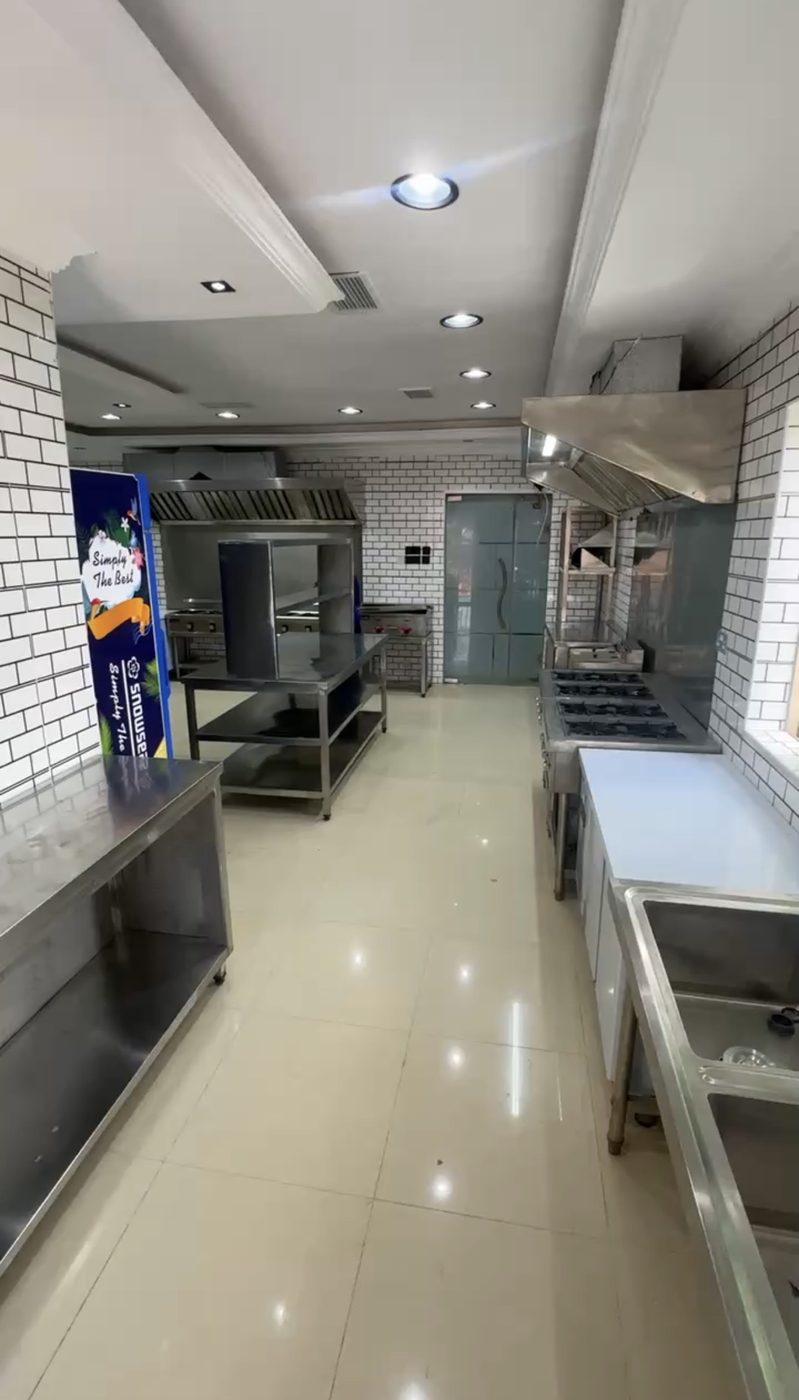
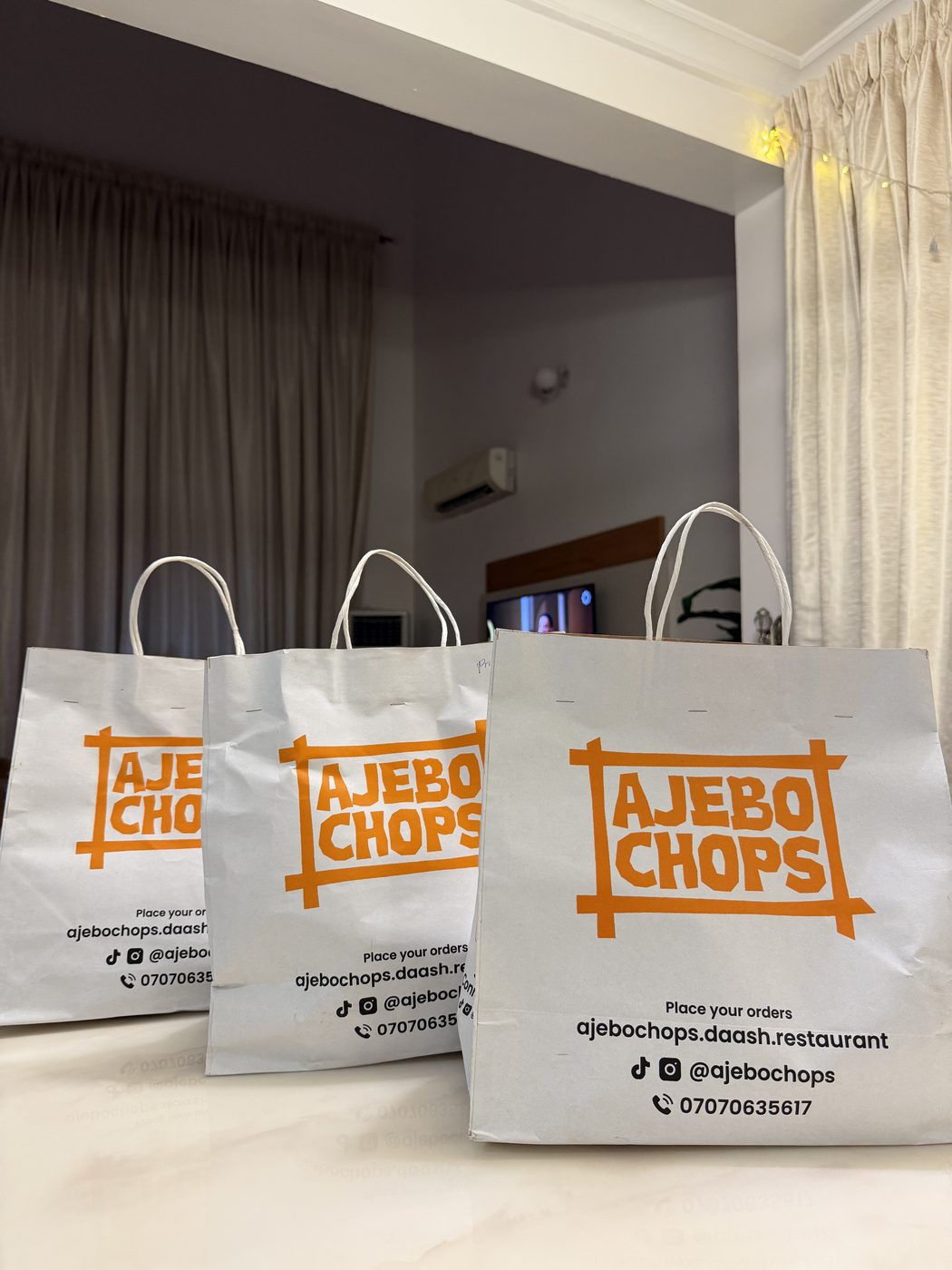
With every new business, I saw more clearly that food was only one part of the story. The real challenge was what sat behind the food. The systems. The people. The supply chain. The data. The controls. The ability to keep quality consistent as the business grows.
I began to realise that many food businesses don't struggle because they lack passion. They struggle because they lack structure. They have good food, good people, and loyal customers, but the systems behind the business are not always strong enough to carry the growth.
Many food businesses don't struggle because they lack passion. They struggle because they lack structure.
That thought stayed with me.
Over time, my interest started to move beyond simply opening restaurants. I became more interested in the machinery behind them. The procurement. The inventory. The logistics. The sales tracking. The customer experience. The daily operations that nobody claps for, but every successful business depends on.
That thinking eventually led to IPC.
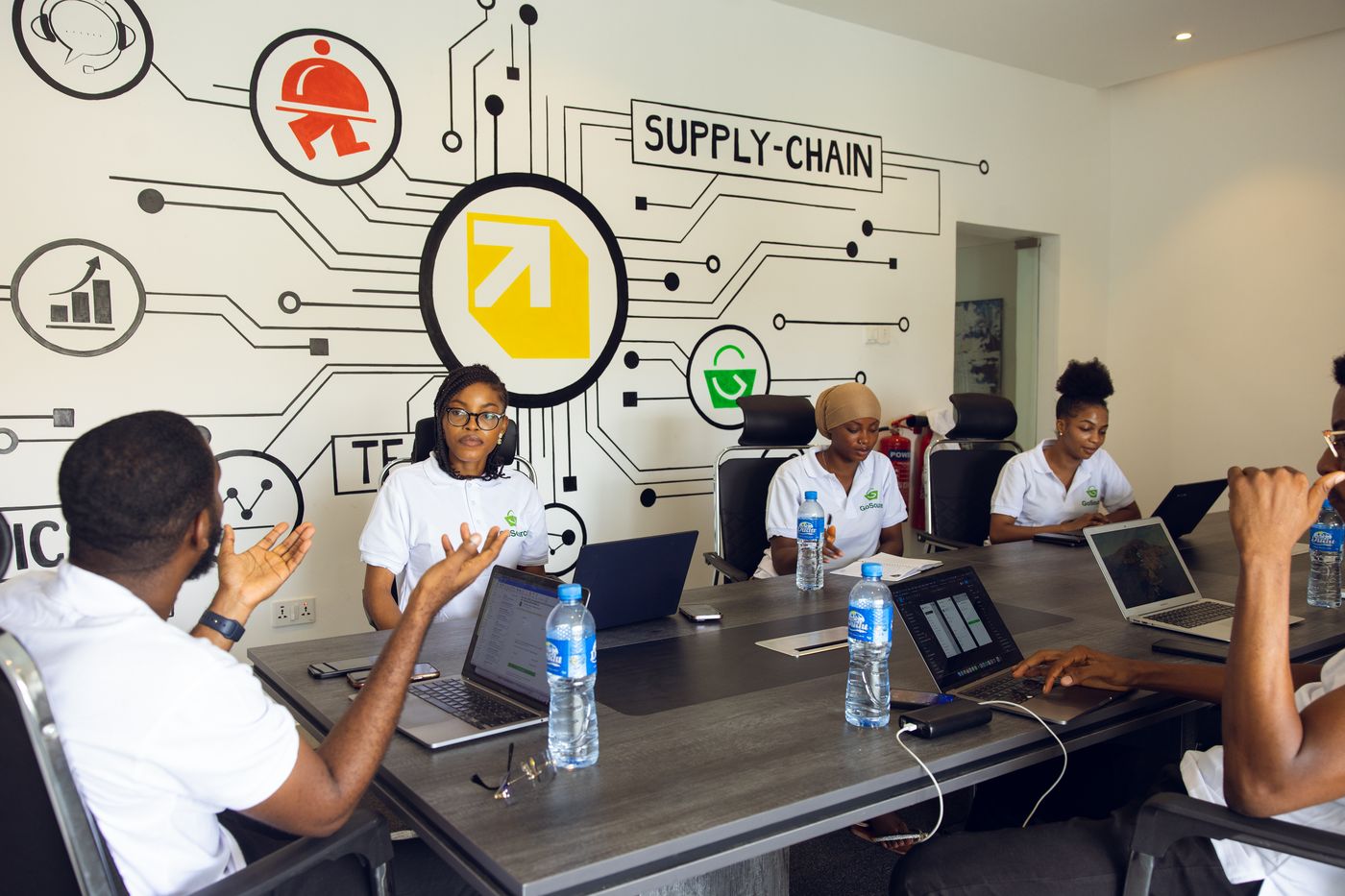
IPC was born from lived experience. It came from the problems I had faced myself, not from theory. Through IPC, we started building products that could help food businesses operate better.
GoSource came from the pain of procurement. Daash came from the need for better visibility and control across sales, inventory, orders, and operations. Find Eat came from the opportunity to connect customers with good food around them, while helping restaurants find more demand.
Looking back, Papa's Grill was never just a restaurant.
It was the beginning of an education. City Subs was the next lesson. Wings Bistro, Spicy Corner, and Ajebo Chops all added new chapters to the story.
Today, my work sits between food, technology, logistics, and operations. But at the heart of it, the mission is still quite simple.
Build useful businesses.
Solve real problems.
Create systems that help people do their best work.
And prove that African businesses, when given the right structure, can grow with confidence and compete properly.
I started in 2016 as a young graduate trying to get things moving.
I'm still trying to get things moving.
Only now, the vision is much bigger.